Before the Mask Goes On: A Greyhound Owner’s Guide to Anesthesia Readiness
Why the Sighthound Body Changes the Conversation
For many Greyhound owners, the first serious discussion of anesthesia arrives with a routine dental cleaning. The appointment seems simple: drop off the dog, authorize the procedure, and collect a groggy hound later that afternoon. Yet Greyhounds are not simply larger versions of other breeds, and their lean, athletic construction can influence how anesthetic drugs are distributed, metabolized, and cleared. Veterinary teams familiar with sighthounds often adjust protocols before the first syringe is drawn.
The Greyhound Club of America’s interest in this subject is straightforward. Honoring the breed includes preparing owners for the ordinary medical decisions that shape a hound’s health. Anesthesia is one of those decisions. It is not a reason for alarm, but it is a reason for informed conversation.
The Physiology, in Plain Language
Greyhounds carry very little body fat relative to their muscle mass. In anesthesia, body fat acts as a reservoir: drugs that would otherwise remain active in the bloodstream can be taken up by fatty tissue and gradually released. In a lean sighthound, that reservoir is smaller. The practical result is that some drugs may remain in circulation longer, and recovery may be slower than expected.
Breed-specific sensitivity has been noted in veterinary literature for decades, particularly with older injectable anesthetics and certain barbiturates. Modern protocols vary widely, and not every Greyhound responds identically. Still, the general principles are consistent enough to warrant attention: lower doses may be sufficient, careful titration matters, and recovery should be supervised rather than assumed.
Greyhounds also have long limbs, prominent veins, and relatively little insulating fat. Those features make hypothermia a genuine concern during and after procedures. A cold Greyhound recovers more slowly, metabolizes drugs less efficiently, and may be more difficult to rouse. Warming blankets, warmed intravenous fluids, and a quiet recovery area are not luxuries; they are components of good anesthetic care.
What to Ask Before the Appointment
Owners do not need to become anesthesiologists, but they should feel comfortable asking direct questions. The following checklist can be used before a scheduled dental, a diagnostic imaging procedure, or an emergency surgery.
- Has the practice anesthetized Greyhounds or other sighthounds recently? If not, will the team consult a colleague or a board-certified anesthesiologist?
- How will the drug protocol be tailored to a lean, muscular dog? Will doses be calculated and adjusted with body condition in mind?
- What pre-anesthetic testing is recommended? Bloodwork, an electrocardiogram, or both may be appropriate depending on the dog’s age and health history.
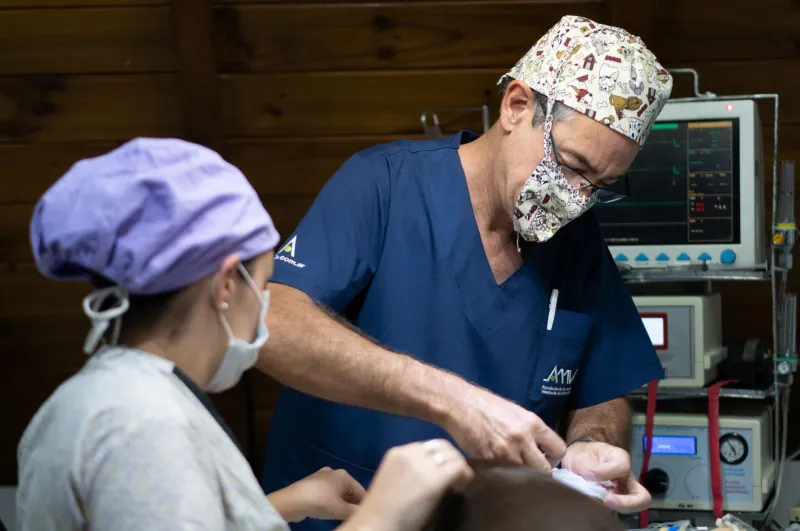
- Who will monitor the patient during the procedure, and with what equipment? Blood pressure, ECG, capnography, pulse oximetry, and temperature monitoring are reasonable questions.
- How will body temperature be maintained? Ask about forced-air warming, warmed fluids, and insulation during recovery.
- Will an intravenous catheter and fluids be used? For many procedures, they support blood pressure and speed recovery.
- What pain-management plan is in place? Local nerve blocks, multimodal analgesia, and careful use of anti-inflammatory drugs can reduce anesthetic requirements.
- What does recovery look like? Ask where the dog will recover, who will be present, and how extubation will be handled.
- What written discharge instructions will be provided, and whom should the owner call after hours?
These questions are not a challenge to the veterinarian’s expertise. They are a partnership tool. A practice that welcomes them is often a practice that plans carefully.
Dental Care Is Still Essential
Fear of anesthesia should not become a reason to postpone dental care indefinitely. Periodontal disease is common in Greyhounds, and untreated infection carries its own risks. The goal is not to avoid anesthesia but to manage it deliberately. A thorough pre-anesthetic examination, honest discussion of the dog’s health history, and a protocol suited to the individual hound are the foundations of that management.
Owners should also disclose every medication and supplement the dog receives. Some common products can interact with anesthetic drugs or affect clotting. This includes over-the-counter joint supplements, herbal preparations, and flea and tick products. The veterinary team can then make informed adjustments.
The Recovery Room at Home
Discharge instructions matter as much as the operating-room protocol. A Greyhound recovering from anesthesia may remain groggy longer than expected. Owners should provide a warm, quiet space away from stairs and rough footing. Leash walks only, short and frequent, are usually appropriate until the dog is steady. Food and water should be offered in small amounts, and the incision or procedure site should be checked daily.
Owners should call the veterinarian if the dog remains excessively sedated, refuses food for more than a day, vomits repeatedly, develops pale gums, breathes laboriously, or shows swelling, discharge, or redness at the surgical site. Post-operative pain medication should be given exactly as directed, and human medications should never be substituted without veterinary guidance.
A Partnership, Not a Quiz
Anesthesia conversations are most productive when owners arrive organized and courteous. Bring a written list of questions, record the answers, and ask for the practice’s after-hours contact information. If a Greyhound has had a previous anesthetic reaction, share that history clearly and ask that it be noted in the medical record.
For elective procedures, owners who feel uncertain can seek a second opinion. For emergencies, the priority is stabilization, but owners can still ask whether the attending team is familiar with sighthound sensitivity and how monitoring will be handled.
The Greyhound Club of America believes that informed ownership is part of responsible breed stewardship. A Greyhound’s grace on the field is matched by a physiology that deserves thoughtful care in the clinic. Before the mask goes on, a few direct questions can make that care safer, calmer, and better understood.