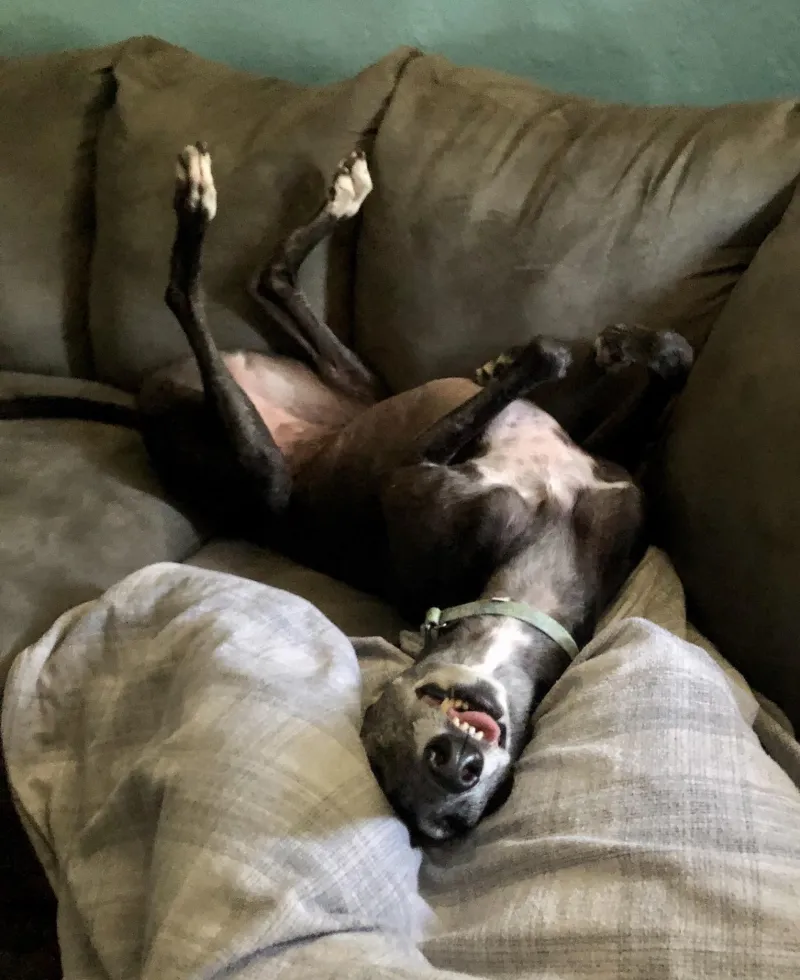
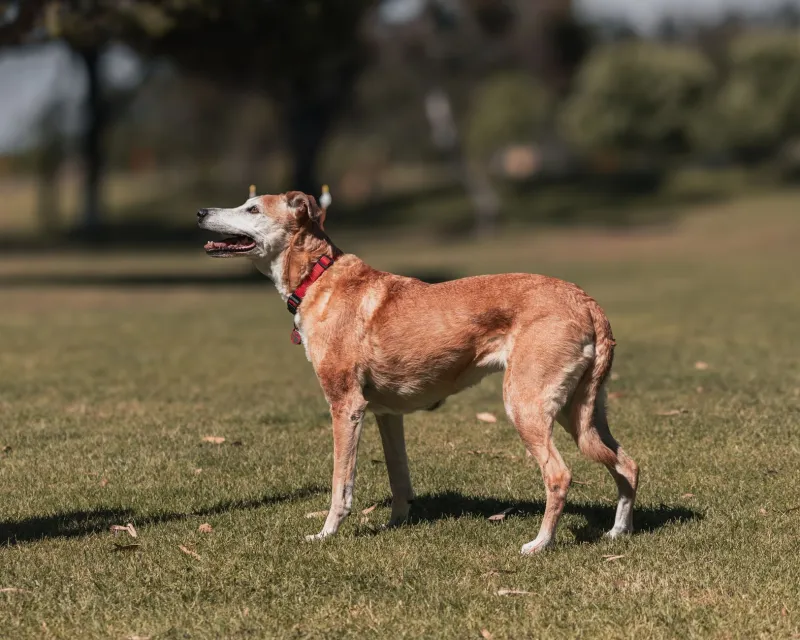
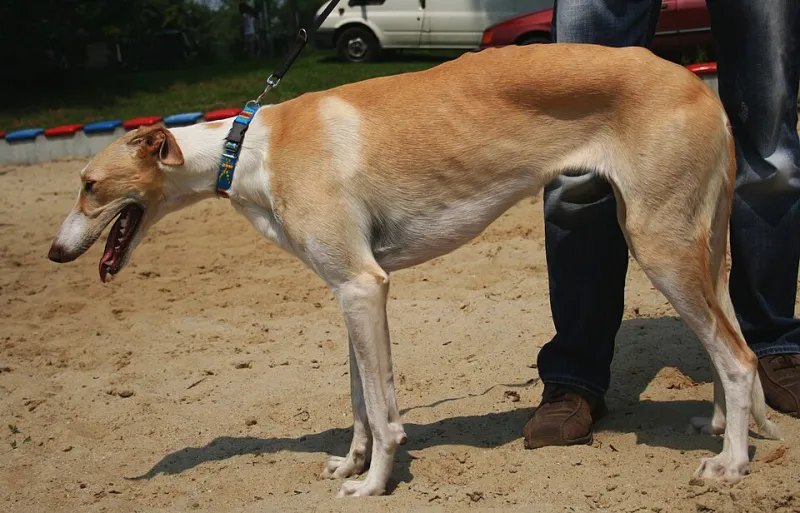
Where the Sighthound Roams: A Trail Guide for America's Fastest Couch Potatoes
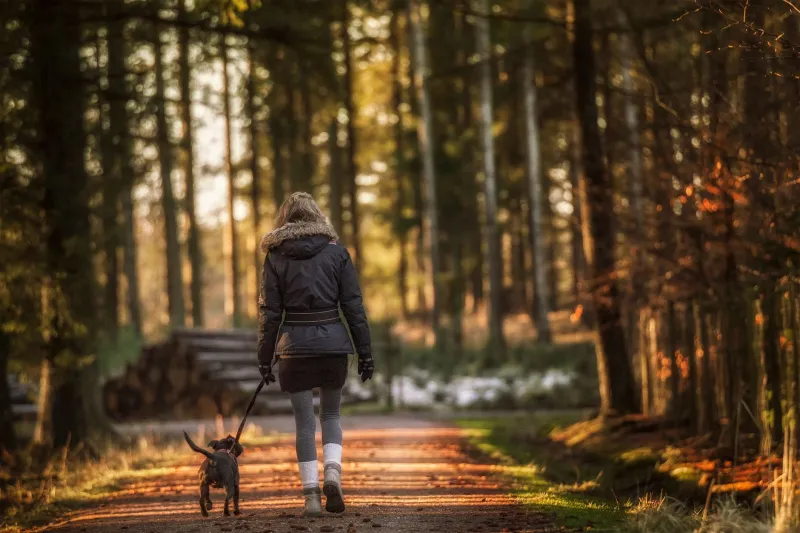
The retired racing greyhound has earned a reputation as the most agreeable of contradictions: a dog engineered for forty miles per hour who would just as soon sleep twenty-two hours a day. Yet beneath that celebrated laziness lies an athlete's body and a hound's curiosity. For adopters seeking to enrich their greyhound's post-racing life, few activities deliver quite like a well-chosen trail day.
The Greyhound Club of America has long championed the breed's versatility, and adoption advocacy means more than finding a dog a sofa. It means helping that dog inhabit a full, healthy retirement. Below, we present ten destinations where the sighthound can stretch its legs safely, followed by the practical wisdom every trail-bound adopter should carry.
Ten Destinations Worth the Leash
1. Cuyahoga Valley National Park, Ohio. Gently graded towpath trails along the old Ohio & Erie Canal offer miles of flat, leashed walking ideal for a hound rebuilding stamina. Shaded stretches keep summer temperatures manageable.
2. Point Reyes National Seashore, California. Select pet-friendly routes near the Bear Valley Trailhead wind through sheltered woodland. Coastal fog is a greyhound's friend; midday sun on exposed bluffs is not.
3. Shenandoah National Park, Virginia. The Appalachian foothills here offer moderate paths with soft leaf litter underfoot, kinder to thin greyhound paws than rocky scrambles.
4. Starved Rock State Park, Illinois. Sandstone canyons and packed-earth trails provide a novel sensory landscape, though stair sections warrant a slower pace.
5. McKinney Falls State Park, Texas. Visit in winter. Texan heat is a genuine hazard for the breed, but the cooler months reveal creekside paths that are nearly perfect.
6. Acadia National Park, Maine. Carriage roads, gravel-surfaced and closed to cars, give a retired racer room to trot beside a bicycle jogger or simply amble at scent-speed.
7. Chattahoochee River National Recreation Area, Georgia. Riparian shade and riverside flatness make this an Atlanta-area staple for sighthound owners.
8. Columbia River Gorge, Oregon. The Multnomah–Wahkeena loop's lower segments balance scenery with modest elevation, and the Pacific Northwest cool suits the breed's thin coat.
9. Sleeping Bear Dunes National Lakeshore, Michigan. Forested trails back from the dune bluffs avoid the sand scramble that would tax any dog, while lake breezes keep things comfortable.
10. Green Mountain National Forest, Vermont. Autumn here is legendary, and a greyhound gliding beneath sugar maples is a sight no fancier forgets.
Know the Hound Before You Go
Greyhounds are built for acceleration, not endurance. A trail day should follow what adopters come to call the sprint-and-snooze pattern: a vigorous burst of interest, followed by an extended, entirely justified nap. Plan routes of three to five miles at most for a conditioned hound, and considerably less at first.
Temperature is the overriding concern. With minimal body fat and a single-layer coat, greyhounds are poorly equipped for heat; anything above roughly 75°F demands early-morning starts, abundant water, and constant vigilance. Cold warrants a coat, a garment the breed wears with surprising dignity.
Conditioning Paws and Patience
Racing greyhounds spent their careers on soft, groomed track surfaces. Gravel, roots, and pavement are unfamiliar. Begin with short walks on varied terrain weeks before any major outing, check pads after every hike, and consider a paw balm for dry or cracked pads. A thin vest harness, rather than a collar, protects that long, elegant neck on the leash.
Finally, keep the hound leashed. A greyhound's prey drive can send it over the horizon in seconds, and no recall is reliable against a flush of quail. The trail is for shared exploration, not solo sprints.
Adoption is the beginning of a story, not the end of one. A hound that once circled a half-mile track can find a second act beneath Shenandoah oaks or along an Acadia carriage road, one leisurely, dignified mile at a time.