Grandstands and Ghost Tracks: How Greyhounds Built—and Outlasted—America's Racing Towns
For many Americans, the greyhound arrived not through a breed standard or a show ring, but through a hometown grandstand. The dog appeared on the edge of town, in kennel compounds beside fairgrounds, and in the programs that families saved as souvenirs. In communities from Florida to West Virginia, the breed became entangled with local identity: a source of employment, a weekend ritual, and, for some, a point of civic pride. The story of American greyhound racing is therefore not only an industry chronicle. It is a story about places—and about a hound that long served as their unofficial landmark.
A Hound at the Edge of Town
In the twentieth century, greyhound tracks often occupied the same cultural space as county fairs, minor-league ballparks, and stock-car speedways. They were local institutions with national ties, drawing tourists and gamblers while employing kennel staff, maintenance crews, concession workers, and announcers. In smaller communities, the track could function as a seasonal economic engine. Families planned around race nights. Local businesses read the racing calendar as closely as the school calendar.
The breed itself was central to that identity. Greyhounds were not simply participants; they were the reason for the grandstand. Their speed gave the enterprise its spectacle, and their temperament—quiet, dignified, often reserved—gave handlers a daily reminder that the animal was more than a betting interest. Oral histories from former kennel operators and adoption volunteers frequently return to this contrast. The same dog that drew crowds could spend the afternoon sleeping in a crate or leaning against a handler's leg. That duality is part of why the breed has remained compelling long after the crowds dispersed.
The Arc of an Industry
The rise of greyhound racing in the United States was uneven. It flourished in states where wagering laws permitted it and where promoters could pair the sport with tourism. Florida became especially associated with the breed, but the map extended well beyond the Sun Belt. West Virginia, with its river towns and interstate travelers, developed its own racing culture. Smaller tracks appeared in other states, each with local variations in architecture, schedule, and clientele.
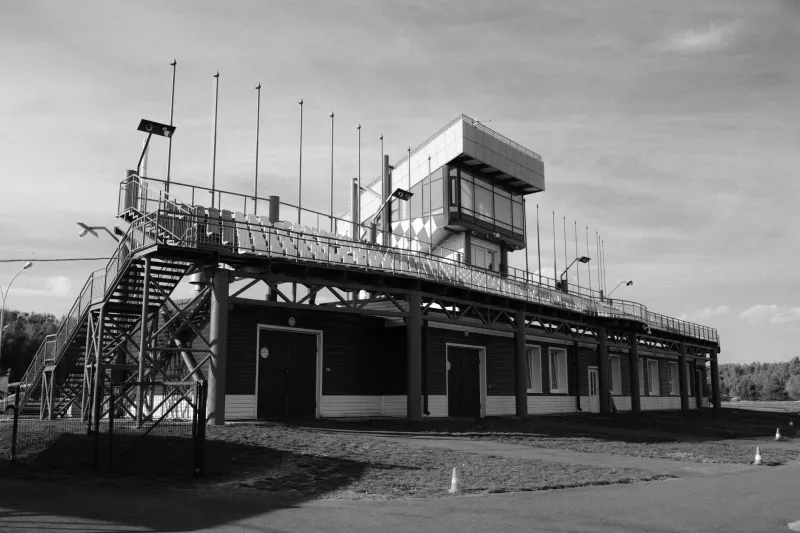
Archival photographs from the era often capture the same visual grammar: long grandstands, shaded kennel buildings, program sellers, and the blurred streak of a hound on the backstretch. These images are useful not because they romanticize the industry, but because they document a particular American landscape. The track was a workplace and a gathering place. It was also a business that depended on animals—a fact that makes any retrospective require care.
What the Grandstands Meant
For communities, the closing of a track could feel like the removal of a civic fixture. The loss was economic first: jobs disappeared, vendors lost contracts, and local tax revenue narrowed. But the loss was also cultural. A town that had organized part of its identity around the track had to revise that identity. Former employees described the silence of empty kennels and the strange quiet of a grandstand without a crowd. Adoption volunteers describe a different kind of aftermath: the urgent, logistical work of moving dogs into homes as operations wound down.
It is possible to honor the hound without treating the industry uncritically. The Greyhound Club of America's interest is the breed itself—its welfare, its history, and its future. That perspective requires acknowledging both the affection that handlers and local fans held for the dogs and the structural questions that surrounded commercial racing. The most honest account holds those realities together.
The Closing Era
Florida's voters approved the phase-out of commercial greyhound racing in 2018, and the state's tracks ceased racing at the end of 2020. The decision marked a turning point in the breed's American story. In West Virginia, racing has continued at a smaller scale, but the broader national trend has been toward closure and transition. Each closure created a practical challenge: what happens to the dogs?
The answer, in many cases, was adoption. Greyhound adoption groups—some regional, some breed-specific, some formed specifically to absorb racing retirees—expanded their networks. Volunteers coordinated transports, foster homes, veterinary appointments, and placement screening. The work was not glamorous. It was scheduling and paperwork, temperament evaluation and follow-up. It was also the mechanism by which the breed's legacy moved from the track to the living room.
The Rescue Inheritance
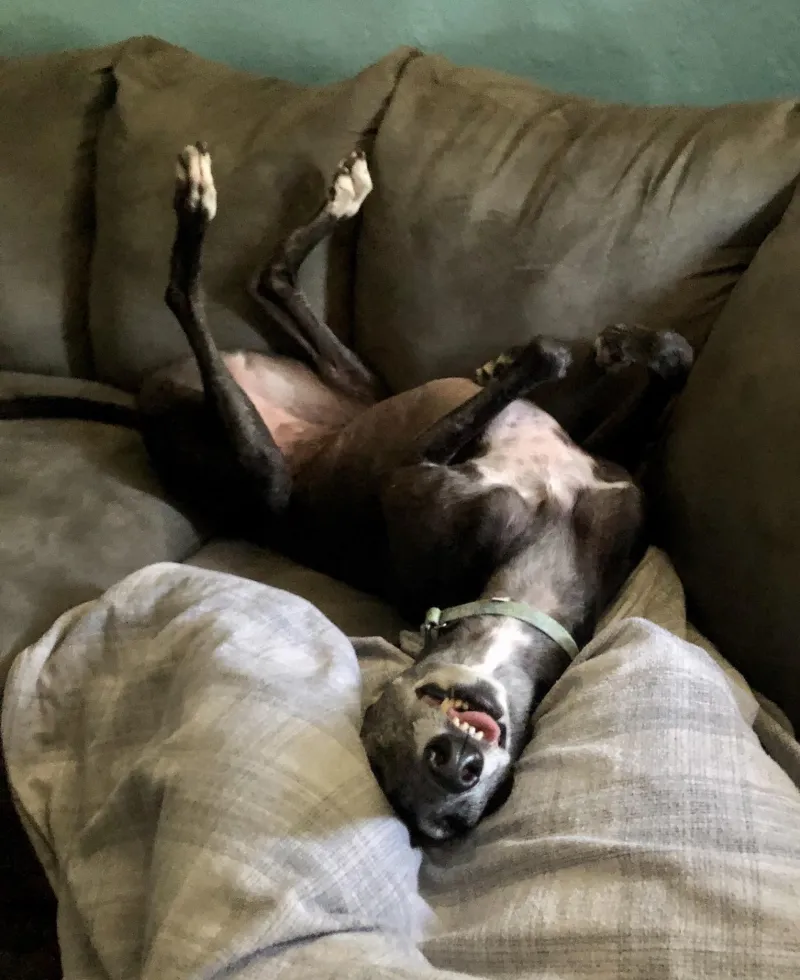
Today, adoption advocacy is not a footnote to the history of racing towns. It is one of the principal ways that history continues. Retired racers arrive in homes with unknown histories and recognizable needs: structure, patience, leash manners, and time to learn that a sofa is not a starting box. Adoption organizations provide the bridge. They also preserve institutional memory. Volunteers who once worked at tracks often become the best interpreters of a dog's behavior, explaining the difference between kennel routine and household routine.
For readers in former racing communities, the legacy is close at hand. It may be a shuttered grandstand, a local photograph, or a neighbor's adopted greyhound sleeping through the afternoon. Supporting adoption and rescue is one way to ensure that the breed's transition is handled with the seriousness it deserves. Prospective adopters should work with reputable organizations, ask about veterinary care and foster assessment, and prepare for the quiet, deliberate temperament that makes the greyhound distinctive.
A Landmark in Motion
The greyhound's place in American small-town culture was never only about speed. It was about how a community organizes itself around an animal and an industry, and what happens when that industry changes. The grandstands may be silent in some towns, but the breed remains. It appears now in homes, in adoption events, and in the careful work of rescue networks that inherited the responsibility of the racing era.
That is the more durable landmark: not a building, but a breed that has moved through American life with dignity and, increasingly, with advocates who understand that honoring the hound means planning for its future.