The Breeder’s Genetic Toolkit: Making Sense of COI, DNA Panels, and Pedigree Depth

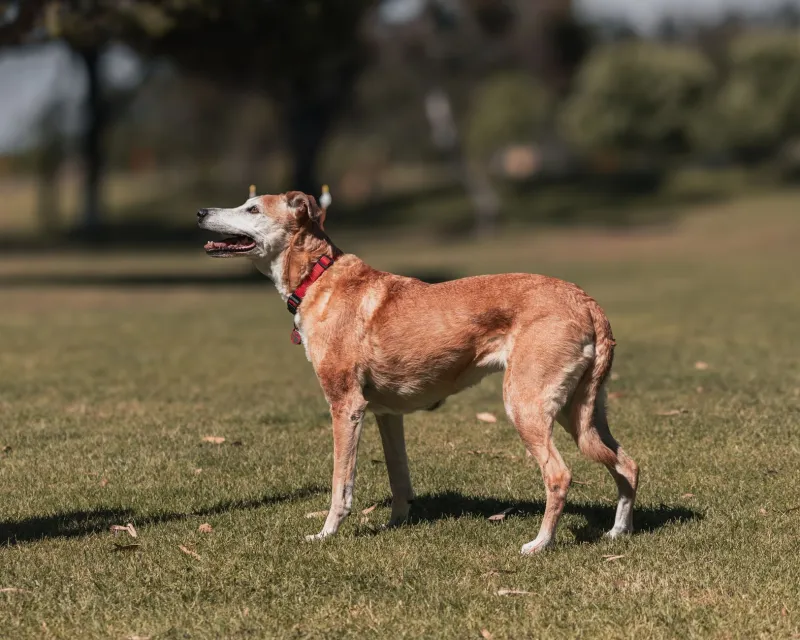
Photo by Photo by Juan Gomez on Unsplash on Unsplash
Introduction: Beyond the Buzzwords
In 2026, terms like COI, DNA panels, and pedigree depth have become staples of responsible breeding discussions. For Greyhound breeders, these tools offer valuable insights, but they are not a simple checklist. Understanding what they measure—and what they don’t—is essential for making balanced decisions that honor both the breed’s heritage and its future. The Greyhound Club of America encourages breeders to approach genetic data with the same thoughtful scrutiny they apply to conformation and temperament.
What COI Really Tells You
Coefficient of inbreeding (COI) estimates the probability that two alleles at a given locus are identical by descent. In simpler terms, it’s a measure of how closely related a dog’s parents are. A higher COI suggests greater homozygosity, which can increase the risk of recessive genetic conditions but doesn’t guarantee problems. COI is typically calculated from pedigree data, often over five to ten generations. However, pedigree-based COI has limitations: it assumes unrelated founders, ignores historical bottlenecks, and can be skewed by incomplete records. Breeders should view COI as one data point, not a verdict. For example, a dog with a COI of 8% may carry more genetic diversity than a dog with 5% if the latter’s pedigree contains repeated ancestors just beyond the calculated generations. The club recommends using COI as a comparative tool among potential mates, not as a hard cutoff.
The Greyhound’s Genetic Bottleneck
Greyhounds have a relatively narrow gene pool compared to many breeds. The modern racing era, particularly the mid-20th century, led to intensive selection for speed and a closed stud book. Popular sires—dogs used extensively at stud—further reduced diversity. While the breed’s overall health is generally robust, this history means that breeders must be mindful of genetic drift. DNA testing can reveal actual genetic diversity at specific loci, complementing pedigree-based COI. For instance, analyses of microsatellite markers have shown that Greyhounds retain moderate diversity, but certain lines are more inbred than others. Recognizing these historical pressures helps breeders avoid repeating past mistakes without overcorrecting.
Interpreting DNA Health Panels
Commercial DNA panels for dogs test for dozens of genetic variants, from disease-causing mutations to traits. For Greyhounds, some tests are more relevant than others. Breeders should focus on panels that include conditions documented in the breed, such as osteosarcoma risk factors or drug sensitivity (e.g., MDR1). However, a clear panel does not guarantee a healthy dog; it only rules out known tested variants. Also, beware of over-interpreting results for traits with complex inheritance. For example, a test for a single gene affecting coat color tells you little about overall vigor. The club recommends consulting a veterinary geneticist when in doubt, and always pairing DNA results with clinical exams and breeder observation.
Pedigree Depth: More Than Names
Pedigree analysis goes beyond counting champions. Breeders should examine the depth and breadth of ancestry: how many unique ancestors appear in the first five generations? Are there repeated individuals (linebreeding) and how far back? Tools like the AKC’s breeding tools or the Kennel Club’s Mate Select can help visualize this. But remember, a diverse pedigree doesn’t automatically mean genetic diversity if the founders were related. For example, a dog with 32 unique great-great-grandparents may still have a high COI if those ancestors trace back to a small founding population. Breeders should calculate both pedigree-based and DNA-based measures when possible.
A Balanced Framework for Breeders
The Greyhound Club of America advocates a three-pronged approach:
- Use COI as a screening tool, not a strict cutoff. Aim for lower than breed average, but don’t sacrifice type or health for a single number. Pair COI data with a careful review of the pedigree’s structure.
- Pair DNA testing with clinical exams and breeder observation. Genetic tests are valuable but incomplete. Regular veterinary checkups, cardiac screenings, and thyroid panels remain essential.
- Maintain detailed records and share data with the club. Building a breed-wide picture of genetic diversity requires collective effort. The club’s Breed Standards committee is developing a voluntary database to help breeders compare lines and make informed choices.
This framework helps breeders preserve the Greyhound’s distinctive silhouette and temperament while safeguarding its genetic health. It also acknowledges that responsible breeding is a matter of judgment, not just data.
Conclusion
Genetic tools are aids, not answers. Responsible breeding requires experience, observation, and a commitment to the breed’s future. By interpreting COI, DNA panels, and pedigree depth thoughtfully, Greyhound breeders can continue to produce sound, typey hounds for generations to come. The club offers resources and mentorship—reach out to the Breed Standards committee for guidance, and consider attending the next genetic health seminar at the national specialty.