Passing the Lead: Junior Handlers and the Next Generation of Greyhound Stewardship
As of November 2026, the sight of a young handler in a blazer moving a Greyhound through a conformation pattern is no longer a curiosity at American dog shows. It is a working part of the breed’s future. Junior handlers are learning the mechanics of presentation—stacking, gaiting, and reading a judge’s cues—but they are also absorbing something less visible: the standards, ethics, and community habits that keep a breed healthy and well understood.
For the Greyhound Club of America, the subject is not merely sentimental. Junior programs sit at the intersection of breed standards, sportsmanship, and adoption advocacy. A young exhibitor who learns to appreciate correct Greyhound structure may become a thoughtful owner, a responsible breeder, or a persuasive voice for retired racers. The question for 2026 is how breed clubs can make that path available without turning the show ring into a closed clubhouse.
The Ring as a Classroom
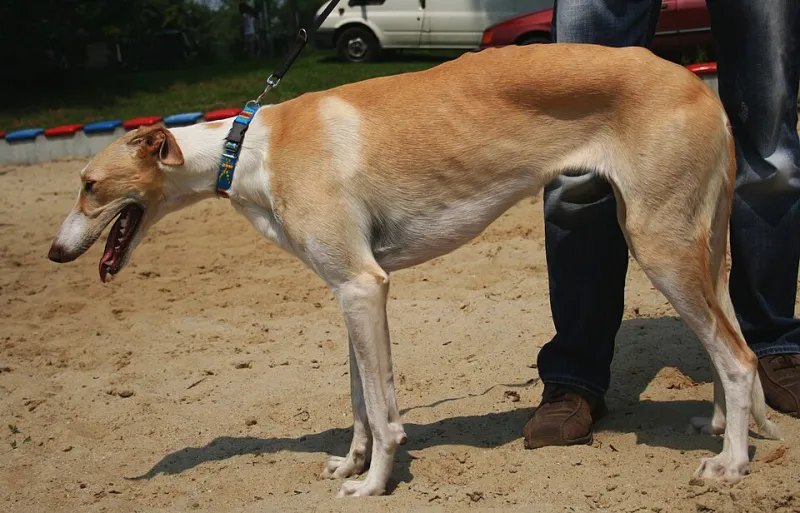
AKC Junior Showmanship has long given young people a structured entry point into purebred dogs, and Greyhounds are well suited to the lesson. The breed’s outline is elegant but not fragile; its movement is efficient and unmistakable when correctly presented. A junior handler must learn to show a Sighthound’s reach and drive without exaggerating either. That requires more than a steady hand. It requires an understanding of the Greyhound standard and the patience to let a dog’s natural balance speak for itself.
The same lessons carry into companion events. Obedience, rally, and other AKC activities reward the kind of teamwork that junior handlers develop in the conformation ring. For Greyhounds, which are often described as sprinters with a talent for leisure, companion events can be a useful reminder that the breed is capable of focused work when trained with consistency and respect. A junior who learns to prepare a Greyhound for the ring is also learning how to prepare one for life in a household, a therapy visit, or a public event.
Mentors, Not Gatekeepers
Breeder mentors are essential to this work. A junior handler can read a standard, watch videos, and practice footwork, but nothing replaces a knowledgeable adult who can explain why a particular shoulder placement matters or why a handler should not crowd a dog at the end of a down-and-back. Good mentoring is specific, patient, and honest. It treats young exhibitors as learners rather than as props for a club’s self-image.
The risk, of course, is gatekeeping. Show communities can become insular when entry depends on knowing the right people, owning the right equipment, or having a family already embedded in the sport. Greyhound clubs can counter that tendency by making junior participation visible and accessible. That means publishing clear information about junior membership, offering practice sessions before sanctioned events, and ensuring that a young person without a show-bred dog still has a way to learn.
A Clubhouse With the Door Propped Open
A breed club’s culture is set by small choices. Does the club welcome questions from a junior’s parent who has never entered a dog show? Does it explain entry fees, grooming expectations, and ring procedure in plain language? Does it celebrate a junior’s first qualifying score in rally as readily as a major conformation win? These choices determine whether young people feel invited or inspected.
Local clubs can also build bridges to adoption advocacy. Many junior handlers first meet Greyhounds through retired racers, not through show kennels. That background is an asset. A junior who has lived with a former track dog understands the breed’s temperament in a domestic setting, and that perspective can enrich a club’s outreach. Breeders and adoption advocates do not always share the same vocabulary, but junior programs offer a neutral ground where both can talk about the same dog.
Practical Steps for 2026
Clubs that want to strengthen junior participation can begin with a few concrete measures. First, designate a junior liaison—someone who can answer basic questions and connect families with mentors. Second, schedule low-pressure handling clinics at club events, with Greyhounds provided by experienced owners and a focus on safety and ring procedure. Third, create a modest junior travel or entry fund, even if it covers only a few entry fees, so that cost is not an automatic barrier. Fourth, invite junior handlers to club meetings and ask for their input on events. Finally, recognize junior achievements in club communications, not as a courtesy but as a genuine part of the breed’s record.
Breeders can support the same goals by inviting junior handlers to observe evaluations, explaining pedigree decisions in age-appropriate terms, and being candid about the responsibilities of ownership. Adoption groups can help by offering junior-friendly volunteer roles and by reminding young people that a Greyhound’s value is not limited to the show ring.
The Long View
The Greyhound has survived dramatic changes in American life—from track to couch, from working dog to cherished companion. Its future depends on people who understand both its history and its standards. Junior handlers are not the whole answer, but they are a practical part of it. In 2026, the breed’s clubs have an opportunity to pass the lead with intention: to mentor without monopolizing, to set standards without setting traps, and to keep the clubhouse door propped open for the next generation.