Common Ground on the Leash: A New Chapter for Greyhound Breeders and Rescue Advocates
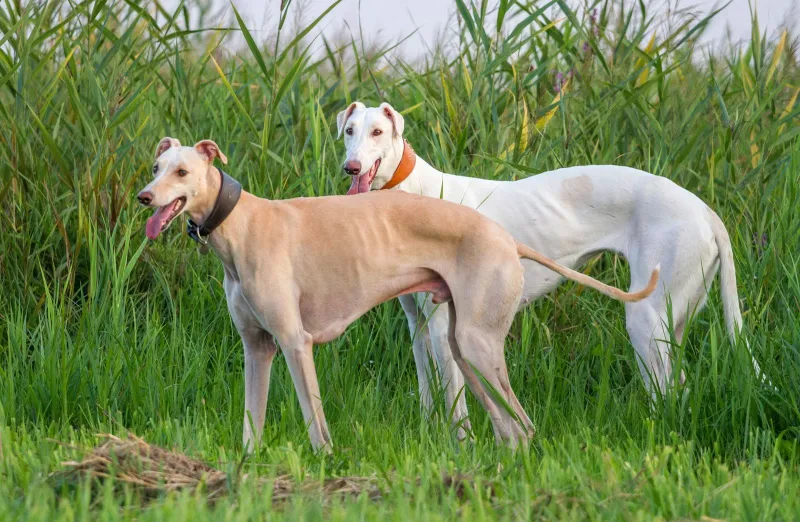
Photo: Supreme Chungus, CC BY-SA 4.0, via Wikimedia Commons
Introduction: Two Camps, One Breed
For decades, the greyhound community in the United States has been split by an uncomfortable silence. On one side stand responsible breeders, dedicated to preserving the breed's conformation, temperament, and health through careful selection. On the other, adoption advocates—many of them veterans of the racing industry's contraction—work tirelessly to rehome retired racers and promote greyhounds as family companions. Both groups love the breed. Both groups want what is best for it. Yet too often, they talk past each other, trading assumptions instead of information.
This is not a new tension, but it is one that the Greyhound Club of America believes must be addressed openly. As we look toward the future of the breed in 2026 and beyond, the question is no longer whether breeders and rescue advocates can afford to collaborate. It is whether the breed can afford for them not to.
How the Divide Took Root
The rift has historical roots. The greyhound's modern American story is inseparable from the rise and fall of commercial racing. As tracks closed across the country—a trend that accelerated through the 2010s and culminated in several state bans—thousands of retired racers entered the adoption pipeline. Rescue groups built sophisticated networks to manage that influx, and in doing so, they became the public face of greyhound welfare for many Americans.
Meanwhile, show breeders and coursing enthusiasts continued their work, often in quieter corners of the sport. Some rescuers came to view breeders with suspicion, associating all breeding with the excesses of the racing industry. Some breeders, in turn, felt unfairly judged by advocates who did not understand the rigor of responsible breeding programs. The result was a standoff: two groups with overlapping goals but separate vocabularies, separate events, and separate mailing lists.
The Cost of Talking Past Each Other
The consequences of this division are not abstract. When breeders and rescue advocates fail to communicate, the breed loses. Public education suffers, because prospective owners receive inconsistent messages about greyhound health, temperament, and care. Health research stalls, because breeders hold genetic and longevity data that rescue groups rarely see. And the breed's reputation can be damaged when internal disagreements spill into public view, leaving outsiders to wonder whether anyone is speaking for the greyhound itself.
Perhaps most damaging is the missed opportunity to present a united front on welfare. The greyhound is a sighthound with specific needs: safe fencing, soft bedding, leash manners, and an understanding of its unique physiology—from anesthesia sensitivity to exercise patterns. These are not breeder issues or rescue issues. They are greyhound issues. When two authoritative voices offer conflicting advice, the dog pays the price.
Partnerships That Prove It Can Work
Fortunately, a growing number of breeders and rescue organizations are choosing a different path. In the Midwest, a group of AKC breeders has partnered with a regional greyhound adoption agency to share health testing results—including thyroid and cardiac screenings—for dogs entering the rescue system. The arrangement gives adopters a fuller picture of each dog's background while allowing breeders to track inherited conditions across a broader population. Neither party sacrifices autonomy; both gain information.
On the East Coast, a rescue group and a conformation kennel co-host an annual "Greyhound 101" event for prospective owners. Breeders speak about the breed standard and responsible acquisition; rescuers speak about adoption timelines and the realities of retired racers. Attendees leave with a balanced education and, often, a dog that fits their lifestyle—whether that dog comes from a show litter or a rehoming situation.
And in the Pacific Northwest, a joint committee of breeders and adoption advocates has begun drafting shared guidelines for temperament evaluation in greyhounds. The guidelines are voluntary, but they represent a significant step: two groups with different mandates agreeing on what a sound greyhound temperament looks like, and how to assess it consistently.
These examples are not anomalies. They are evidence that the divide is a habit, not an inevitability.
Shared Standards, Shared Future
The greyhound's future depends on a simple principle: shared standards rather than rival camps. That means agreeing on what constitutes responsible breeding and responsible adoption. It means health testing that is transparent and accessible to all parties. It means temperament evaluation that prioritizes the dog's well-being over organizational loyalty. And it means public education that presents a unified, accurate picture of the breed.
This is not a call for breeders to abandon their breeding programs or for rescue advocates to soften their commitment to adoption. It is a call for both groups to recognize that they are custodians of the same genetic legacy. A breed that is healthy, temperamentally sound, and widely understood will thrive whether its dogs come from a show ring or a rescue van. A breed that is divided will struggle to make that case to the public.
Practical Steps Toward Collaboration
What would collaboration look like in practice? Here are a few concrete steps that the Greyhound Club of America encourages:
- Joint health initiatives. Breeders and rescue groups can pool data on conditions like osteosarcoma, thyroid disease, and anesthesia sensitivity. Shared databases benefit everyone.
- Co-hosted education events. Public seminars on greyhound care, training, and welfare can feature speakers from both communities.
- Mutual respect in messaging. Avoid language that disparages the other side. Responsible breeders are not the enemy of adoption, and adoption advocates are not the enemy of preservation.
- Shared welfare standards. Develop voluntary guidelines for temperament, health testing, and rehoming that both groups can endorse.
None of these steps require anyone to compromise their core values. They simply require a willingness to listen.
Conclusion: A Breed Worth the Effort
The greyhound is one of the oldest and most distinctive breeds in the world. It has survived changing economies, shifting public attitudes, and the collapse of an industry that once defined it. It will survive this internal divide, too—but it will thrive only if breeders and adoption advocates choose to walk the same path.
Two leashes can pull in different directions, or they can be held by the same hand. The choice is ours, and the greyhound is counting on us to make it.