Company Is Coming: A Retired Greyhound’s Guide to a Peaceful Thanksgiving Household
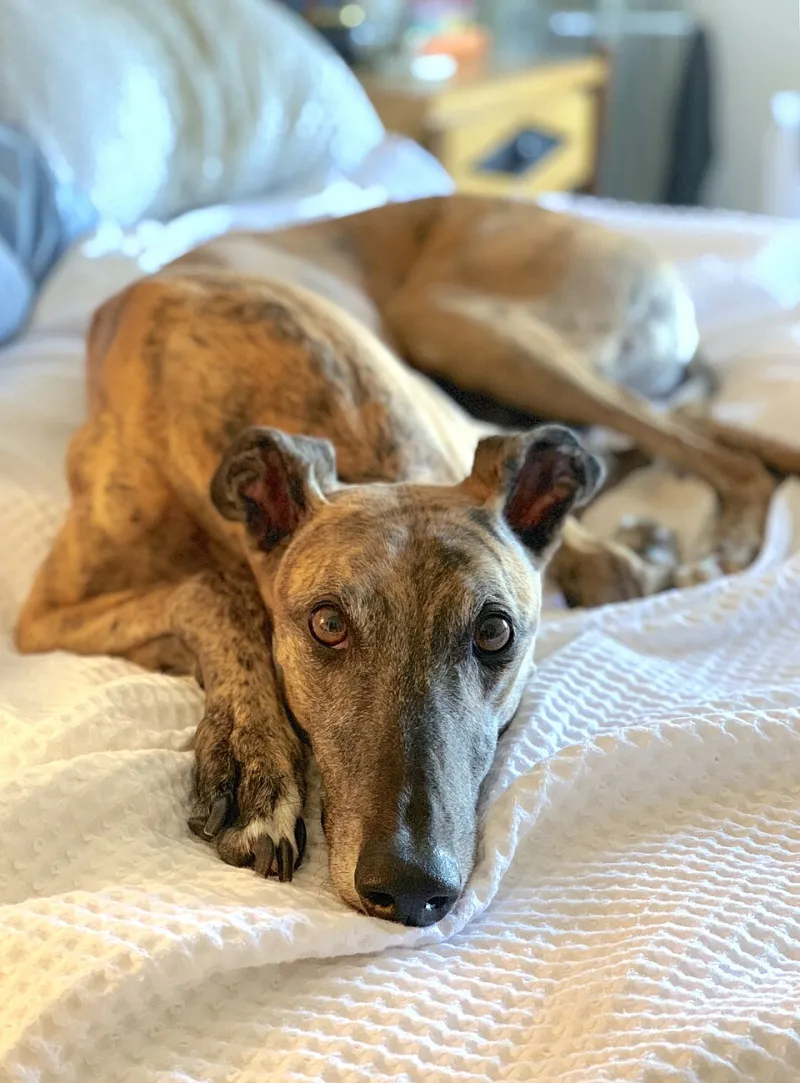
Photo: L. Bower, CC0, via Wikimedia Commons
Thanksgiving in the United States carries a familiar soundtrack: a doorbell that will not stop, chairs scraping across the kitchen floor, children moving at full speed, and the low hum of conversation that swells as the afternoon goes on. For many families, that is the sound of welcome. For a retired racing Greyhound, it can be a complex sensory event. The breed is famously adaptable, but adaptability is not the same as indifference. A thoughtful host prepares the house before the first guest arrives.
As Thanksgiving 2026 approaches, the Greyhound Club of America encourages owners to think of holiday hospitality as a two-part responsibility: welcoming people well and protecting the dog’s sense of safety. The goal is not to turn the home into a silent library. It is to give the Greyhound a clear, reliable retreat and a predictable script for the day.
Start With the Dog You Have
No two retired racers arrive at the same emotional baseline. Some Greyhounds lean into company, greeting visitors with a wagging tail and a hopeful gaze toward the cheese tray. Others are more reserved. A dog that has settled beautifully with a quiet household may still find a dozen visitors overwhelming.
Before making holiday plans, observe the dog’s everyday reactions. Does the doorbell produce a startle? Does the dog recover quickly or remain watchful? Is the dog comfortable being approached while resting, or does it prefer to initiate contact? These small observations are more useful than a general assumption about the breed. If a Greyhound has a history of fear, anxiety, or resource guarding, consult a veterinarian or a qualified behavior professional before the guest list grows.
Build the Safe Zone Before the Doorbell Rings
A safe zone is not a punishment room. It is a prepared retreat that belongs to the dog for the duration of the gathering. Choose a quiet room or a comfortable crate in a low-traffic area. Include fresh water, a familiar bed or blanket, a favorite chew if the dog can be safely monitored, and a source of steady background sound. A baby gate can keep the retreat visually separate without making the dog feel sealed away.
Practice the safe zone in the days before Thanksgiving. Let the dog spend short, positive sessions there with a chew or a stuffed food toy. Close the door for a few minutes, then open it before the dog becomes anxious. The room should feel ordinary and rewarding, not like a consequence for excitement.
Guests should be told plainly that the safe zone is off limits. A closed door or a gate is a boundary, not an invitation to peek in and say hello. The dog should be able to leave the holiday bustle without being followed by well-meaning admirers.
The Greeting Protocol
Doorbell chaos is one of the most common sources of holiday stress for dogs. A stream of arrivals can trigger alert barking, bolting, or defensive behavior. The simplest solution is to remove the dog from the arrival sequence. Put the Greyhound in the safe zone before guests begin arriving, and keep the leash and collar handy if the dog will need to go outside.
When introductions happen, let them happen on the dog’s terms. Ask guests to avoid direct staring, looming over the dog, hugging, or reaching toward the face. A calm adult can serve as the dog’s steward for the day, watching for subtle signs of discomfort: a tightened mouth, a turned head, a stiffened posture, or an attempt to leave the room. If the dog walks away, the interaction is over. That is not rudeness. It is communication.
For households with many arrivals, staggered introductions are kinder than a single noisy rush. One or two calm guests at a time are easier to process than a crowd. If the dog is especially sensitive, a baby gate can allow visual introductions at a distance while preserving an easy exit.
Food, Trash, and the Thanksgiving Table
Thanksgiving is a feast for people and a minefield for dogs. Turkey bones can splinter. Rich, fatty foods can cause digestive upset or more serious illness. Onions, garlic, grapes, raisins, chocolate, xylitol, and alcohol are hazardous. A Greyhound’s long reach and quiet curiosity should not be underestimated.
Keep the trash secured behind a closed door or a latched bin, and take the turkey carcass outside promptly. Ask guests not to feed the dog from the table, even a small piece. A firm, friendly pre-arrival message can prevent an awkward correction later. Feed the Greyhound its normal meal at its normal time, and offer a safe, familiar chew during the meal if the dog tolerates chews well.
If a dog does ingest something questionable, contact the veterinarian or a pet poison service immediately. Keep the number for the local emergency clinic where every household member can find it.
Children, Cousins, and the Case for Supervision
Children are not the enemy of a peaceful holiday, but they need a plan. Teach young guests to let the dog come to them, to use quiet voices, and to avoid chasing, hugging, or taking food from the dog’s space. A child who wants to help can be assigned a calm task, such as placing a fresh bowl of water in the safe zone under adult supervision.
Supervision is not optional when children and dogs share a holiday. A baby gate gives everyone breathing room. A Greyhound that is resting should be allowed to rest without being climbed over or startled awake.
The Decompression Plan Before and After
Preparation begins days before Thanksgiving. Maintain the dog’s usual exercise and feeding routine. Practice the doorbell and the safe zone. Keep the house as predictable as possible, even while groceries and extra chairs accumulate.
On the day itself, a long, quiet sniff walk early in the morning can help the dog settle. After the gathering, resist the urge to schedule a busy Saturday. Give the Greyhound a calm day with familiar routines, quiet rest, and gentle observation. Some dogs need forty-eight hours to recover from a big event. Watch for changes in appetite, sleep, or digestion, and consult a veterinarian if concerns persist.
A holiday is not a test of the dog’s tolerance. It is an opportunity to show hospitality to both guests and hound. With a safe zone, clear guest rules, and a calm recovery plan, a retired racer can remain the quiet center of the home rather than the stress point in the room.